Colorado is flirting with an energy policy that has failed affordability everywhere it’s been tried. The idea is coming from U.S. Senator and gubernatorial candidate Michael Bennet. Facing a tough primary against Attorney General Phil Weiser, Bennet appears to be courting the Democratic Party’s environmental base by floating the idea of a Colorado cap-and-trade scheme. An idea that even current Governor Jared Polis has resisted, “saying that ‘it is not an appropriate policy for Colorado,’” reports Always On’s Sarah Montalbano in an Independence Institute post.
Under a Governor Bennet administration, the state would set an artificial cap on emissions, force suppliers to purchase allowances, and then pretend the resulting price increases are an unintended consequence, when in fact, they are a feature of cap and trade.
We’ve seen this Hollywood movie before. California’s cap-and-trade program contributes to some of the highest gasoline prices in the country. Washington state implemented a similar system and saw fuel prices rise quickly. New Mexico has adopted California’s low-carbon fuel standards, which our modeling shows will increase gasoline prices by 45 cents per gallon. In each case, working families, commuters, and small businesses pay the price.
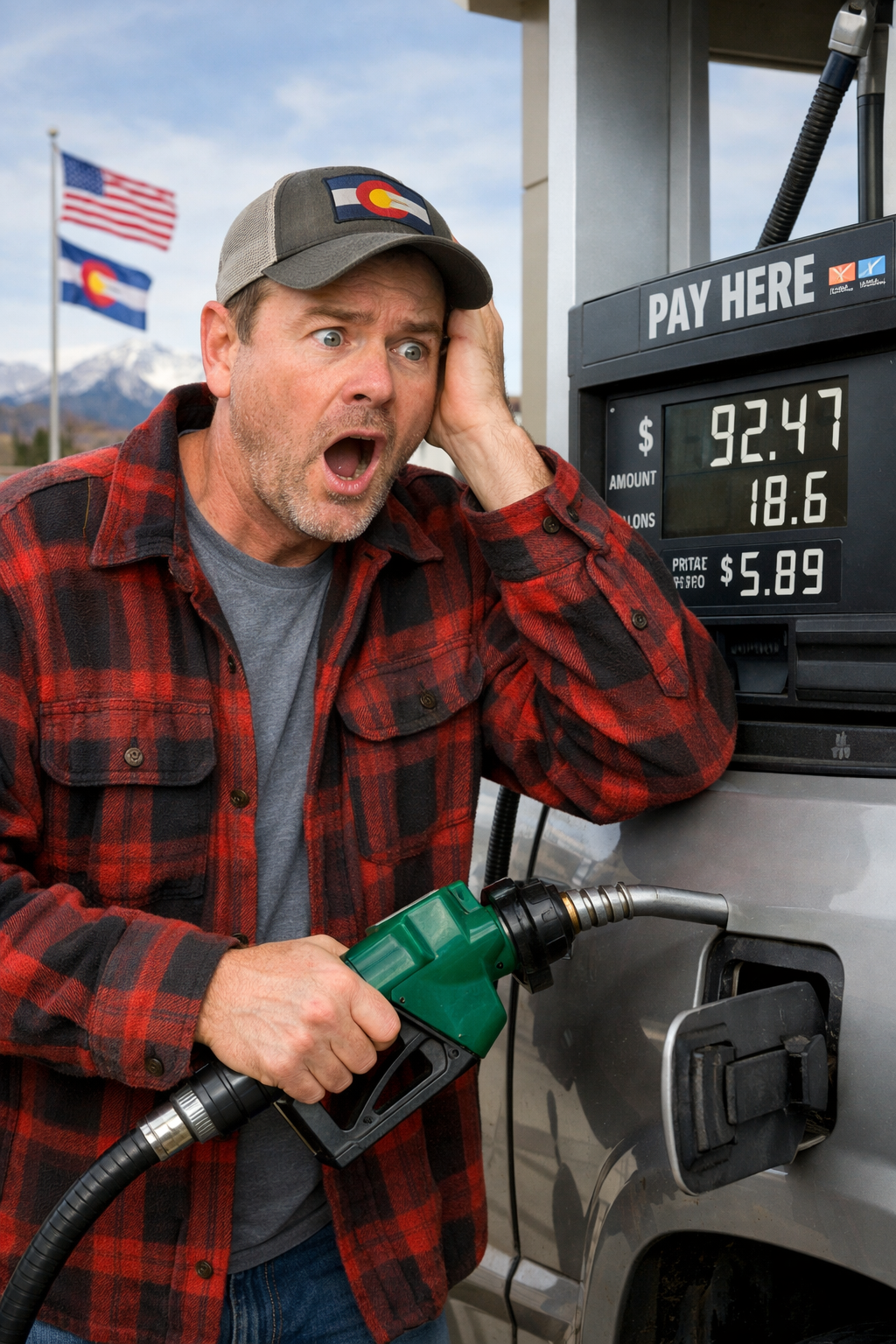
Right now, Colorado enjoys competitive gas prices. That advantage will vanish under a Bennet cap-and-trade regime. Higher fuel costs will ripple through the economy, raising prices for everything from groceries to construction to freight and electricity generation.
Colorado is already layering aggressive decarbonization mandates onto its power sector. Adding cap-and-trade would further compound the state’s affordability crisis and continue to weaken the state’s economic competitiveness at a time when reliability and cost discipline should be the priority.